


New York Mysteries 5
4.6576.00 Reviews
App Specs
- Version
- 1.0.1.1597.945
- Updated On
- License
- Free
- Downloads
- 1,000,000+
- Developer
- FIVE-BN GAMES
- Categories
- Adventure
- Platform
- Android
Screenshots
 Analysis by AppCompare
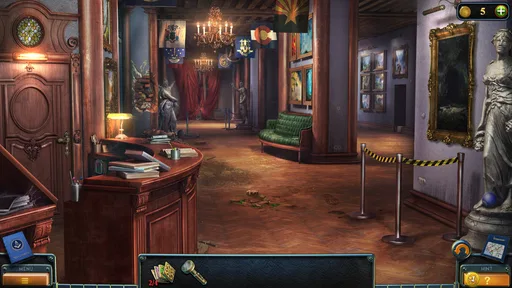
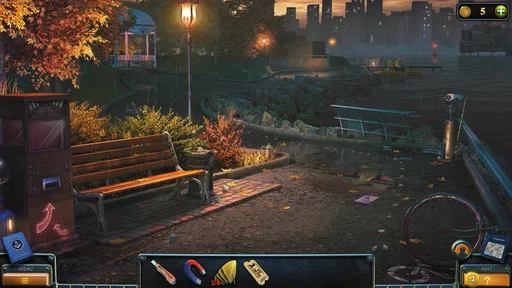
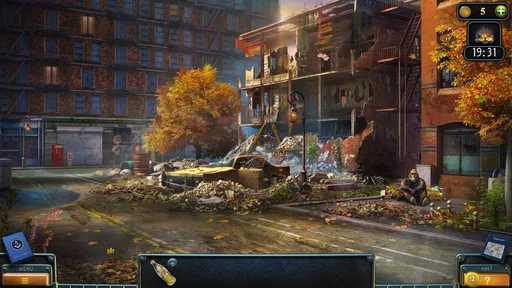
I went into New York Mysteries 5 expecting a familiar hidden-object adventure, but what stayed with me was its particular mix of urban investigation and fantasy unease. The game takes recognizable New York surroundings and turns them into places where ordinary clues, strange objects, and supernatural danger sit side by side. That contrast gives the adventure a stronger identity than a simple search through decorative scenes.
This is a free adventure game from FIVE-BN GAMES, aimed at Teen players. It has reached over a million installs and holds a 4.6 average from around twenty-one thousand ratings, which suggests that the format has found a substantial audience. Those figures do not replace personal judgment, though. After spending time with it, I see a game that is best enjoyed slowly, with attention to visual details and a willingness to solve puzzles rather than rush through the story.
A supernatural investigation built for patient players
The central appeal is the way the game makes New York feel both familiar and wrong. Streets and interiors are not presented as realistic city simulation; they are stages for a mystery in which a fantasy world is beginning to intrude on everyday life. That setup gives each location a useful tension. I was not only asking, “What object is hidden here?” I was also wondering why the setting had changed and what the unusual details meant.
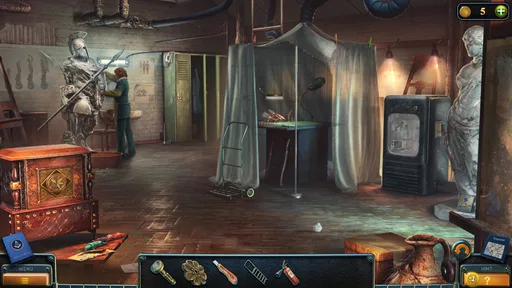
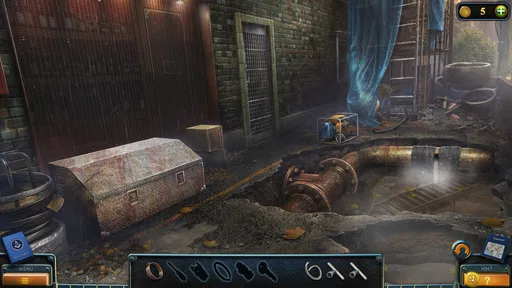
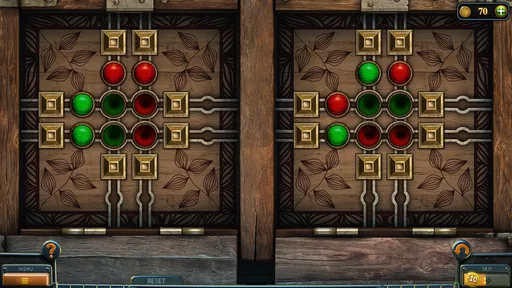
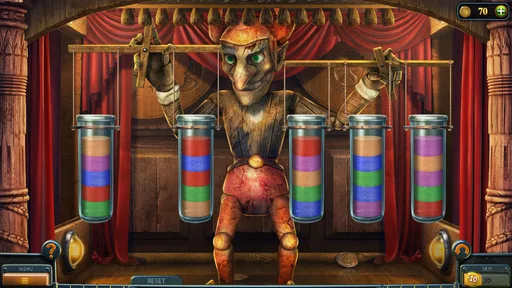
The game belongs firmly to the point-and-click and hidden-object tradition. You inspect scenes, collect items, combine clues, and work through puzzles that block progress. The rhythm is deliberately measured: explore a location, notice something that does not fit, search for a solution, then return with a new item or piece of information. Players who enjoy that loop will find it comfortable, while anyone looking for constant action may feel that progress moves too slowly.
What makes the setting useful rather than merely decorative is the contrast between normal city imagery and fantasy elements. A street, room, or public place can initially look ordinary, yet the game encourages you to examine it as if every detail might carry narrative weight. I found that this made the search scenes more meaningful than a collection of unrelated pictures. The visual design is doing some storytelling before the dialogue explains everything.
How the investigation feels in everyday play
A realistic use case is an evening when I have half an hour free and want something absorbing but quiet. I can play a section, stop after solving a puzzle, and return later without needing the reflexes or competitive focus demanded by an action game. It also suits travel or waiting-room play, provided the screen is large enough to inspect small objects comfortably and the surroundings are not too distracting.
The trade-off is that this is not an ideal “five-minute filler” in every situation. Some puzzles require remembering where an item appeared or understanding how several clues relate to one another. If I interrupt the game repeatedly, I can lose the thread and spend more time reconstructing my plan than solving the next obstacle. I get better results when I treat each session as a small chapter rather than a series of disconnected taps.
Worth Reading Before You Choose

EA SPORTS FC Mobile 26 Is a Bigger Football Game, but It Takes Time

Flipboard Shows What News Apps Must Do Beyond the Feed

Switching to Android Auto Means Rethinking Your Driving Routine

Google Calendar Makes a Crowded Week Easier to Manage

Ludo King Makes the Most of the Minutes Between Plans

Baby Panda World Brings Quick Play to Modern Phones, but Its Game Library Feels Busy
One practical habit helped me: when I found an item that seemed useless, I mentally grouped it with the location where I discovered it. In this kind of adventure, an object may make sense only after another scene introduces the right context. That simple approach reduced random tapping and made the progression feel more deliberate. It is a small but important difference between playing as an observer and playing as an investigator.
The puzzle design rewards observation more than speed
The strongest moments are the ones in which a solution feels earned by noticing a relationship. A symbol, tool, or environmental detail can become meaningful only after I have inspected nearby areas carefully. This encourages a slower form of attention that many mobile games avoid. I appreciated that the game does not need combat or fast movement to create pressure; uncertainty and the possibility of missing a clue do much of the work.
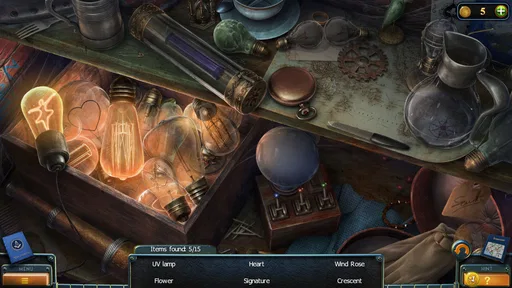
At the same time, hidden-object conventions can create friction. When a scene contains many visually similar details, the challenge may come from recognizing the intended object rather than reasoning through the mystery. That is not necessarily a flaw, but it affects who will enjoy the game. I prefer puzzles that combine observation with deduction, whereas players who dislike searching crowded scenes may find some sections tiring.
My advice is to inspect the whole scene before tapping repeatedly. Look for shapes that seem slightly out of place, objects that match the story context, and areas that appear interactive because of their position rather than their brightness. This approach is more reliable than treating the screen like a lottery board. It also lets the artwork contribute to the experience instead of becoming visual noise.
Where the current release fits in the series
The current version is 1.0.1.1597.945, and the game was released on June 23, 2023. Those details matter because they place this edition as an established entry rather than a brand-new experiment. I approached it as a complete adventure experience available in its current form, not as a constantly changing service that expects me to check in for regular events or competitive updates.
That product shape is one of its advantages. The focus remains on progressing through the mystery at my own pace. I do not need to build a team, manage a roster, or keep up with other players. For someone who wants a self-contained story-driven game on a phone, that is more appealing than the daily-task structure found in many free alternatives.
The release also shows the practical limits of the format. A version number can indicate ongoing maintenance, but it does not transform the core design. This is still a search-and-puzzle adventure, so players should not install it expecting a different genre after an update. The most meaningful evolution here is the refinement of the existing formula: a fantasy mystery framed through city exploration, rather than a shift toward action or open-world play.
What existing fans are likely to notice
Players already familiar with FIVE-BN GAMES will probably recognize the emphasis on illustrated locations, item-based progression, and a story that moves through connected investigations. That familiarity is helpful because the game communicates its basic logic quickly. I did not need to learn a complicated control system before concentrating on the mystery.
For returning players, the setting is the main reason to choose this installment instead of simply replaying another hidden-object title. The New York atmosphere gives the puzzles a specific frame, while the fantasy intrusion keeps the investigation from feeling like a routine detective case. The result is not radically different from the established formula, but it has enough thematic character to make the journey feel purposeful.
Newcomers do not need to approach it like a competitive game or master a deep progression system. The bigger adjustment is learning to accept its pace. The game often asks me to look again at a place I thought I had finished with, and that can feel repetitive if I expect each location to be used only once. In context, revisiting spaces is part of how the investigation unfolds.
Free to start, but not free from trade-offs
The game is free to download, with optional in-app purchases ranging from $0.99 to $19.99 per item. That makes it easy to try the opening experience without committing money immediately. I consider that a sensible way to approach it: play long enough to decide whether the atmosphere and puzzle style suit you before spending anything.
The important question is not simply whether the game costs nothing at the beginning. It is whether the possible purchase pressure fits your preferred way to play. I would rather solve a puzzle independently, even if it takes time, than buy help automatically. Anyone sensitive to interruptions or reluctant to spend on hints should decide on a personal limit before starting. That keeps the optional economy from shaping every decision.
This is also where the game differs from many premium adventure alternatives. A paid title may offer a more predictable purchase experience, while this free edition lowers the barrier to entry but can make optional spending part of the surrounding design. Neither model is automatically better. For me, the free entry is useful for sampling the atmosphere, but players who want a completely purchase-free, uninterrupted experience may prefer a premium puzzle adventure instead.
Device fit and accessibility of the experience
The game supports devices running Android 7.1 or later. That gives it a broad technical reach, although compatibility alone does not guarantee that every phone will feel equally comfortable. Hidden-object scenes depend on seeing small details, so a compact display can make searching more demanding. On a tablet or a phone with a clear, responsive screen, I found the visual investigation more enjoyable.
The Teen rating is also worth taking seriously. The fantasy mystery has a darker tone than a cheerful casual game, and the atmosphere is built around danger, uncertainty, and supernatural ideas. I would recommend it to older teenagers and adults who enjoy suspenseful investigations, but not to someone specifically looking for a light, family-oriented pastime.
There is no need for fast reactions, which makes the game approachable for players who dislike action controls. However, that does not mean it is effortless. The challenge is mental attention: remembering objects, interpreting clues, and recognizing when a previously visited location deserves another look. Players with patience will find that more important than gaming skill.
Where it falls short compared with alternatives
Compared with a traditional action-adventure game, this one offers very little physical immediacy. I am not navigating a freely explorable New York, fighting enemies in real time, or making rapid decisions under pressure. The city is a carefully arranged backdrop for investigation. That focus is a strength for puzzle fans, but a clear weakness for anyone hoping for movement, combat, or broad exploration.
Compared with a premium narrative adventure, the free structure may feel less seamless. Optional purchases can change how comfortable the experience feels, especially for players who would rather never think about hints or progression assistance. A premium alternative is likely the better choice when the priority is a single upfront transaction and a tightly controlled pace.
Compared with simple hidden-object games, the fantasy mystery gives me more reason to care about the scenes. I am not merely completing a list of objects; I am trying to understand how the supernatural threat connects with the city. The downside is that the added story and puzzle logic demand more concentration. If I want a game I can play with the sound off while barely thinking, this is not the strongest match.
Small strategies that make the investigation smoother
My first recommendation is to avoid using hints as soon as a puzzle slows down. Instead, leave the scene, inspect another available area, and return later. A new item or piece of dialogue can change the meaning of what seemed impossible. This is especially useful when the obstacle is not a lack of skill but a missing connection between two locations.
Second, pay attention to the difference between an object that is collectible and an object that is merely part of the scenery. The game’s visual language becomes easier to read after a while, but rushing the first examination of a scene makes later searches harder. I found it more efficient to scan systematically from one side of the screen to the other than to tap wherever my eyes happened to land.
Third, think of the inventory as a set of questions rather than a bag of tools. When I found an item, I asked what kind of problem it could answer: access, repair, translation, illumination, or identification. That mindset helped me avoid trying every item on every object. It is a modest technique, but it makes the game feel more like deduction and less like trial and error.
A final tip is to play with enough uninterrupted time to remember the story. The game’s strongest effect comes from the accumulation of odd details: the city setting, the fantasy threat, and the clues that gradually connect them. If I play only in tiny fragments, the atmosphere loses some of its force. A calm session lets the visual design and investigation support each other.
Who should play it and who should skip it
I would recommend this to players who enjoy illustrated mysteries, hidden-object searches, supernatural stories, and puzzles that ask for patience. It is particularly suitable for someone who wants a solo game with no competitive pressure and a clear sense of moving from one discovery to the next. Fans of FIVE-BN GAMES should also find the familiar structure easy to settle into.
I would steer away from it if your ideal mobile adventure involves combat, free movement, character customization, or constant novelty. It is also not the best choice if you dislike searching detailed scenes or feel frustrated when the correct next step is not immediately obvious. The free price makes trying it easy, but it does not change the fact that the game demands attention.
Parents should also consider the Teen rating before recommending it to younger players. The fantasy setting and darker investigative mood are central to the experience, not incidental decoration. Someone seeking a gentle puzzle game for children would be better served by a lighter title designed around that audience.
What I would watch in future updates
Since the current release remains centered on the established mystery-adventure formula, I would be most interested in improvements that reduce friction without weakening the investigation. Clearer feedback when an item cannot yet be used, smoother scene navigation, and careful hint design would help players stay immersed rather than feeling stuck for technical or interface reasons.
I would also watch how future changes balance accessibility with discovery. A hint system that explains the logic of a clue is more satisfying than one that simply gives away the answer. Likewise, any adjustment to optional purchases should preserve the feeling that careful observation remains a valid way to progress. The important thing is not adding complexity; it is protecting the relationship between exploration and reward.
For existing users, the current version is best understood as a polished continuation of a recognizable style rather than a reinvention. That is good news if you already enjoy the series’ visual mysteries. It is less exciting if you were hoping for a major change in gameplay. My expectations would therefore be practical: better comfort, reliable performance, and thoughtful support for players who get stuck, rather than a completely new structure.
My verdict after following the mystery
New York Mysteries 5 works because it gives the hidden-object format a memorable setting and a supernatural question worth pursuing. I enjoyed the way ordinary city spaces became suspicious, and I liked having to connect visual details with inventory items instead of relying only on quick taps. The game is most rewarding when I slow down and let the investigation develop.
It is not flawless. Searching can become tiring, some progress may feel indirect, and the free-to-start model will not appeal to everyone. The Teen tone also limits its audience, while players wanting action or open exploration should choose another kind of adventure. Those limitations are important, but they do not undermine the game’s central strengths.
My recommendation is to try it if you want a thoughtful mobile mystery with fantasy atmosphere and a relaxed solo pace. Start without spending, play on a screen where small details are easy to see, and resist treating hints as the default solution. If the combination of New York investigation and supernatural storytelling catches your interest, this is a satisfying entry point into FIVE-BN GAMES’ style. If you need speed, freedom, or a completely frictionless premium experience, another adventure will suit you better.
Pros
- Atmospheric New York setting with detailed locations and period-style visuals.
- Puzzles offer varied challenges without relying only on hidden-object scenes.
- Strong investigative storyline keeps exploration focused and engaging.
- Hints are available when progress stalls
- making the game accessible.
- Offline play is convenient for travel or areas with limited connectivity.
Cons
- Some puzzles provide little context
- leading to trial-and-error solutions.
- The game can feel short compared with its price or in-app purchase cost.
- Certain item interactions are easy to miss on smaller phone screens.
- Voice acting and dialogue quality may vary between story sequences.
- Later scenes can become repetitive if you prefer faster-paced gameplay.
FAQs for New York Mysteries 5
What is New York Mysteries 5 about?
New York Mysteries 5 is a story-driven point-and-click adventure game that combines hidden-object scenes, puzzles, exploration, and supernatural mystery. You follow a detective investigating strange events connected to a dangerous case in New York. The game focuses heavily on atmosphere, dialogue, clue collection, and solving logical challenges rather than fast action or combat.
Is New York Mysteries 5 free to download and play?
The game can generally be downloaded for free, but access may depend on the platform and edition available in your region. Some versions may include optional in-app purchases, advertisements, or a paid unlock for the complete adventure. Before installing, check the store listing carefully so you understand whether the free download includes the full story or only an initial portion.
Does New York Mysteries 5 work offline?
Most of the main adventure can usually be played without a continuous internet connection after the game has been installed and its required files are available. An internet connection may still be needed for the initial download, updates, advertisements, purchases, or restoring progress. If you plan to play while traveling, launch the game online first and confirm that the story loads correctly.
Is New York Mysteries 5 suitable for children?
New York Mysteries 5 is presented as a mystery adventure, but its story includes crime, danger, supernatural themes, tense locations, and occasionally unsettling imagery. It is not designed as a simple children’s puzzle game. Younger players may need guidance, especially when dealing with frightening scenes or difficult clues. Parents should review the store age rating and device purchase settings before allowing access.
What are the main gameplay features in New York Mysteries 5?
The game offers a combination of hidden-object challenges, inventory-based puzzles, conversations with characters, clue gathering, and exploration across detailed locations. Progress depends on observing the environment and using items in the correct places, so patience is important. It is best suited to players who enjoy narrative adventures and atmospheric investigations, although some puzzles may feel challenging without hints or careful note-taking.


